
Commercial Roofing in Business 190 Corridor, Copperas Cove, TX
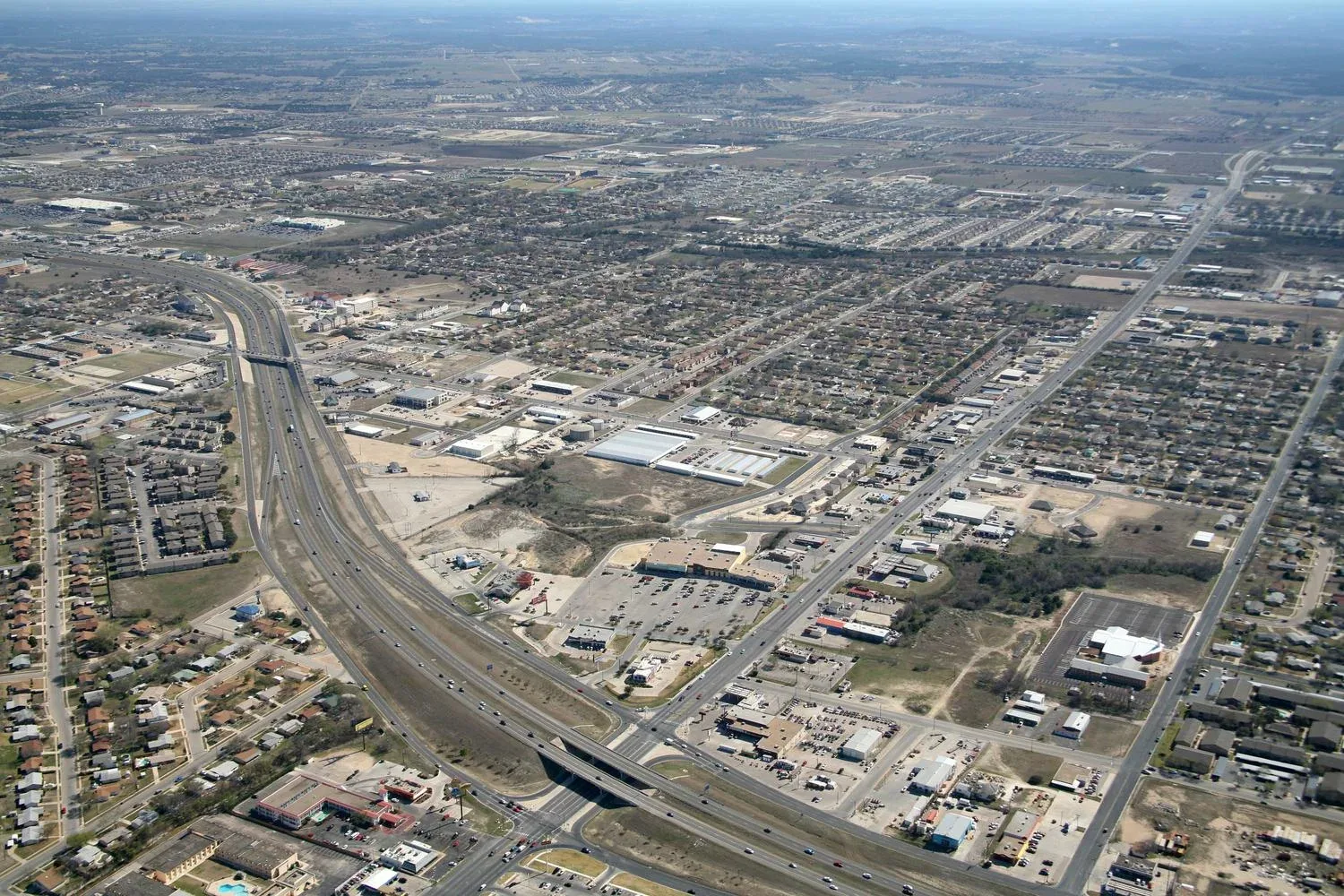
Business 190 is a commercial corridor in Copperas Cove, but the route label does not define a roof assembly or a contractor's access. We start with the property contact, roof plan, entry point, loading route, and the hours when customers or deliveries use the site. Business 190 is primarily zoned for general retail, with commercial services along US 190 west of FM 2657 on the city's south side. That context helps set a visit location; the roof walk sets the work boundary. A commercial roof inspection records what is visible on each section.
At the roof, we identify membrane or metal, seams, penetrations, curbs, drains, edge details, and prior repairs before pricing a fix. Retail access can make lift placement, door protection, and delivery windows part of the scope, but the schedule remains specific to the property. We do not infer a roof type or condition from the corridor's zoning. A condition report with a marked roof map separates what we observed from what needs testing.
Which sites belong in the corridor scope?
Commercial-service areas span between Constitution Drive and Robert Griffin III Drive, including the Narrows and Business and Professional Park developments. Those names describe a broader area rather than one tenant or building. For the roof under review, we verify its entrance, roof hatch, service drive, and property contact before setting a crew route. If the work is near the Narrows Business and Technology Park, the district context does not grant access to a neighboring parcel or establish its roof condition.
A scope should name the roof section, reported symptom, visible defect, and any area not reached. We photograph close details and enough surrounding surface to find them again. If a drain, curb, or edge condition interrupts a retail delivery route, we record the access measure needed to keep the path protected. Work may be staged around hours confirmed by the facility contact. We coordinate occupied-building roofing by section when each area can be secured before the crew moves.
How should heat and runoff shape the inspection?
The Killeen-area normal for 1991 to 2020 counts 18.3 days per year, on average, with a daily maximum of at least 100 degrees. That market-level average is context, not a measurement at a particular Copperas Cove roof. They provide regional context for safe work periods and for examining exposed sealants, laps, and coating transitions. We record brittleness, surface loss, and open seams where they occur, then test only if a result could change the repair boundary.
Runoff needs a separate route on the roof map. We follow slope to drains and overflows, inspect strainers and clamping rings, and check whether a low area comes from debris, settlement, or insulation slope. A stain inside a retail suite is not enough to identify the roof opening above it. We compare the interior location with penetrations, curbs, and water paths, then mark a test area if moisture could extend beyond the visible defect. A drain and overflow review can be listed separately from a leak repair.
How can roof work avoid an unplanned closure?
On a retail property, the roof sequence can affect deliveries, customer entrances, staff routes, and equipment access. Before mobilization, we ask the site lead where a lift can stand, which doors must remain open, and whether a tenant needs notice before noise or interior protection begins. If a roof opening sits above an active area, the crew isolates that section and prepares a weather closure before removing material. The work order should show a realistic daily stopping point, not only a total duration. If rain or heat interrupts preparation, we identify the exposed edge that must be closed before the crew leaves and the surface condition required to resume. That protects the open area without treating a temporary cover as completed membrane work.
For active businesses along the corridor, the property manager may need a separate plan for deliveries or shared parking. We confirm those instructions at the site; the area's general retail zoning does not tell us how any individual center operates. A temporary dry-in is labeled as protection, while the permanent flashing, membrane, or edge work is priced as its own item. If activity shifts between tenants, a maintenance record can keep access notes with the roof section and next inspection date.
When does a patch stop being the useful option?
A patch fits when the opening is defined, surrounding material accepts a compatible repair, and the substrate remains suitable. We identify the membrane, prepare beyond loose or weathered edges, and show the tie-in and repair area. If a sample confirms wet insulation or deck damage, the owner sees the added removal and replacement area before the scope expands. A repeat failure at several seams or curbs may point to a broader section decision, so each occurrence is mapped rather than combined under a general seal-up line.
Recover, coating, and replacement options have different prerequisites. A recover needs a sound assembly and workable height at drains, curbs, and parapets. A coating needs suitable adhesion, preparation, and detail repairs, but cannot correct a failed deck. Full removal may cost more now while resolving concealed layers that a surface treatment would leave in place. We can compare a recover assessment, coating scope, and replacement estimate with the same roof map.
What should the asset file retain?
Closeout should identify the repaired roof section, material, preparation, photographs, tests, and follow-up item. Where a delivery route or entrance affected staging, we record how it was protected and any access limit that remains. If the roof contains more than one assembly, each gets its own service line so a future reviewer can distinguish a membrane lap from a metal transition. We also mark the temporary protection boundary separately from the permanent repair.
A useful record can serve the next work order and the capital review. It shows whether the work addressed one opening, repeated weakness, or a larger section, and what evidence supports that distinction. The capital plan can carry confirmed repairs forward without counting an untested area as failed. For work around Copperas Cove, US 190 and FM 2657 provide the corridor reference; the property contact still confirms access at each stop. The broader Copperas Cove service area does not change that property-level review. We note roof measurements, material transitions, and the edge of each work zone so another reviewer can locate the same conditions without relying on a route name. Request a corridor roof walk when an asset manager needs a scope tied to the actual building.
Commercial Roofing Questions
Does Business 190 zoning tell us what roof a property has?
No. That land-use context helps orient the corridor. We identify each site's membrane, metal, deck access, and repairs on a roof walk before selecting materials or pricing a boundary.
Can repair work fit around retail deliveries?
We confirm receiving hours, lift placement, customer doors, and any shared route with the facility lead. The work plan then shows which section can be opened, protected, and closed during each agreed window.
What if the interior leak is away from the visible roof defect?
We trace slope and drainage, inspect transitions above the affected area, and compare them with interior moisture. If the path remains uncertain, a targeted survey or test opening can narrow the scope.
When should the owner compare replacement with repeated repairs?
We map recurring defects, wet insulation, attachment condition, and repair history. If failures span several sections or sound tie-ins are unavailable, the estimate can show renewal beside another localized repair.
Can the corridor page confirm access to a nearby business park?
No. A service area identifies where we schedule work, not permission to enter any property. The owner or site contact confirms gate, roof, staging, and tenant requirements for each visit.
Map the roof boundary along Business 190
Request a Copperas Cove roof walk with access needs, confirmed findings, and repair or renewal options separated by section.