
SOPREMA Commercial Roofing in Killeen, TX
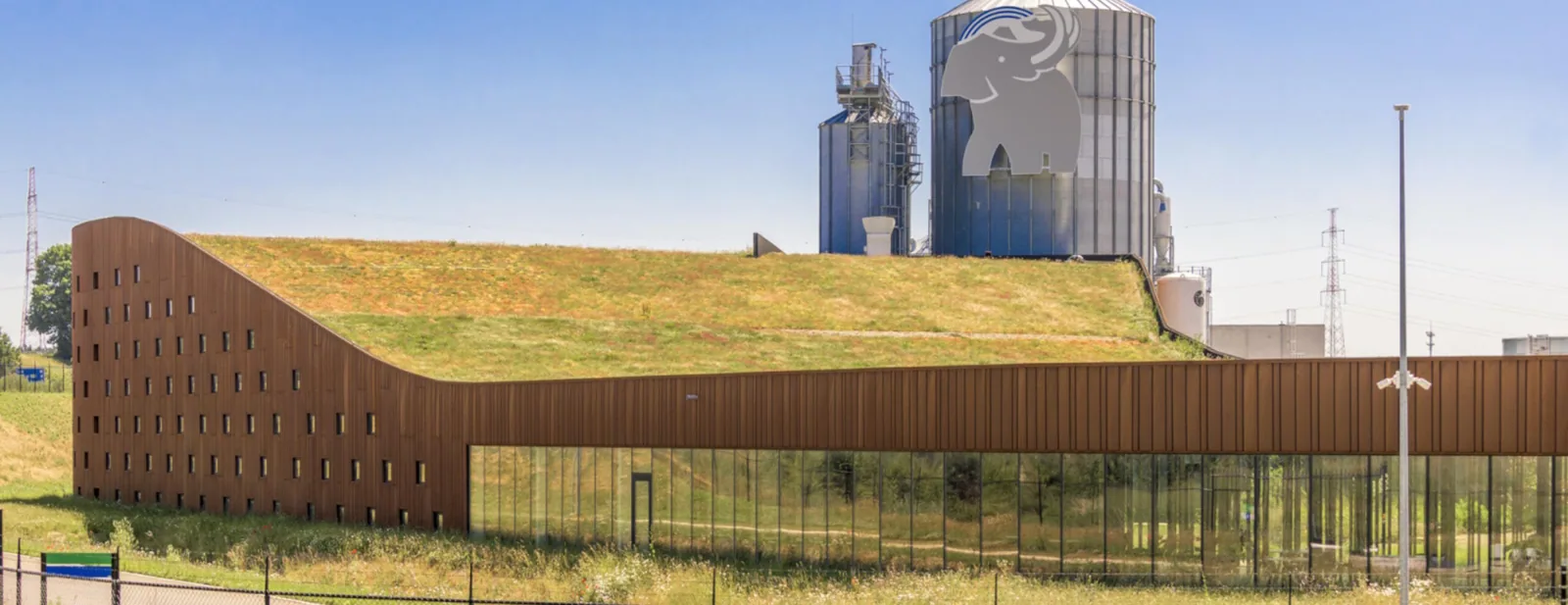
SOPREMA's commercial roofing portfolio includes SBS-modified bitumen membranes, PMMA/PMA liquid-applied products and single-ply PVC membranes. That range points to different assemblies and installation methods, not interchangeable surface treatments. In Killeen, TX, we inspect the roof that is present, note its layers and repairs, and identify whether the owner needs a localized fix, a restoration review or replacement. A commercial roofing inspection records membrane condition, flashing, drains and penetrations before a product path is chosen. The value of a product family is in understanding what work it requires and what conditions it can address; it should not be used to infer the roof's current construction without an inspection.
What does the product family indicate about the roof assembly?
SBS-modified bitumen is built in layers, while single-ply PVC uses a membrane sheet with welded seams. Those approaches require different substrate preparation, attachment and detail coordination. We identify existing roof layers, check for trapped moisture and inspect the transitions where old repairs meet the field. For a layered system, laps and flashing build-up need review; for single-ply, seam and penetration details take a larger role. Owners can compare SOPREMA's commercial systems with modified bitumen roofing work after we verify deck condition and roof geometry. The scope should state tear-off or recover, insulation requirements, perimeter treatment and drainage corrections so the bid reflects the assembly rather than a generic square-foot installation.
How do bitumen and single-ply systems differ in evaluation?
PMMA and PMA liquid-applied products serve a different purpose from a full-field sheet membrane. At a transition or irregular detail, a resin-based flashing approach may be considered when the substrate and system specifications support it. Surface preparation, reinforcement, thickness and weather conditions matter to the finished detail. We inspect the area, determine whether movement or moisture is present and identify the limits of the repair before proposing work. A coating or liquid repair does not make a saturated roof dry, so roof coating restoration starts with a condition review and moisture investigation. Where the field membrane has failed broadly, a larger replacement scope may be the sounder comparison. The repair should follow the actual condition, not the availability of a particular material family.
When does liquid flashing fit a detail?
Killeen averages 34.75 inches of rain each year, making drainage and overflow paths useful items to verify during a roof walk. Annual totals do not describe where water collects on one roof, but they make drainage a recurring design and maintenance concern. We inspect drain bowls, scuppers, gutters, crickets, low areas and the paths water takes around equipment. Debris or a damaged outlet can hold water at a seam and accelerate deterioration. If field membrane remains serviceable, drain and scupper repair may solve a discrete discharge problem; if water reaches the deck through several layers, additional investigation is warranted. Our report marks the source, the affected area and any drainage correction so the owner can see how the proposed solution handles water from field to outlet.
Why should drainage receive its own condition review?
A recover needs evidence that the retained layers can support new work. We check bond, attachment, insulation condition, moisture and total roof height at drains, curbs and wall transitions. Selective cuts are useful when readings or visible distress suggest concealed water. We map those results and state whether removal is localized or broader. If the existing roof includes materials that are incompatible with the intended assembly, the proposal needs to include separation layers or removal as required by the project design. A roof recover assessment can compare that work with a replacement without hiding demolition, disposal and temporary protection in a single allowance. The owner can then compare schedule, access and cost drivers on consistent terms.
System selection is also shaped by how the building will be used during construction. Tear-off creates a different debris, noise and dry-in plan from a restoration or recover. We discuss loading areas, tenant entrances and the location of interior operations below each work zone, then phase the project around those constraints. If a liquid-applied detail is included, surface preparation and cure conditions must be reflected in the schedule. If a layered membrane is selected, each course and flashing transition belongs in the scope. The owner can then weigh the roof approach against operational needs with the major work steps visible.
What must be verified before a recover decision?
TIRZ #2 brings city, county and Central Texas College participation to corridor redevelopment and downtown facade projects. That is area context, not evidence about the age or roof type of any nearby property. For a building in a changing commercial district, we document the actual use, access and operating schedule. Lift areas, material deliveries and tenant entrances can influence the construction sequence. We can plan a phased reroof around continued operations and note where weather protection needs to remain in place overnight. Around Downtown Killeen, the roof survey should still answer specific questions: where water enters, what layers are wet, which details need rebuilding and whether the proposed work keeps drainage and mechanical service available. Killeen TIRZ #2 includes an approved Rancier Corridor Redevelopment project and downtown facade work. When planning a roof phase near those commercial areas, we coordinate access and dry-in with the building’s operating schedule.
A closeout file should help the next person understand the assembly without reading a proposal from beginning to end. We list the system installed, note roof zones and transitions, and include photographs of drains, edges, curbs and repairs. Follow-up maintenance checks can compare new observations with that baseline and spot changes after mechanical work or severe weather. Where more testing remains, the record says what is unresolved and how to settle it. That keeps future capital planning connected to the roof's actual history rather than a product label alone. A phased plan also identifies which roof areas remain under temporary protection and when the owner can expect each section to be returned to service. That schedule matters where interior operations continue below the active work zone.
How should local conditions guide the work plan without replacing inspection?
With several product families to consider, a written roof record keeps the decision practical. We show photos, observed damage, moisture test locations, drainage notes and the proposed assembly. If the owner is comparing SBS, liquid-applied and PVC options, we separate their system requirements and indicate what design review remains. Commercial roof scopes can cover repair, restoration, replacement, and maintenance; active leaks require a separate availability and access check. A roof condition report also gives facilities staff a reference for future inspections and budget planning. We finish by identifying next steps, such as additional openings, a design consultation or a priced repair phase, rather than asking the owner to make a product decision without evidence from the roof. If a single-ply comparison is useful, the same roof findings can be reviewed against Sika Sarnafil PVC assemblies and GAF TPO or PVC options.
Commercial Roofing Questions
How do SBS, PVC and liquid-applied systems differ?
They use different materials and installation methods. We inspect the existing roof and define the assembly needs before comparing any system, including its substrate, seams, transitions and maintenance access.
Can liquid flashing repair a larger roof failure?
It can address certain details when the condition and system requirements support it. We first check whether moisture or widespread membrane damage extends beyond that transition.
What does annual precipitation tell you about my roof?
It provides climate context for drainage planning, not a diagnosis. We inspect actual low points, drains, scuppers, seams and interior evidence to identify where water is retained or entering.
When is a recover worth pricing?
After the existing layers, moisture, securement and finished height have been reviewed. We compare it with replacement using the same detail and protection scope.
Will you plan work around active tenants?
Yes. We coordinate access, deliveries, lifts and temporary protection with the facility manager, then phase work so occupied areas remain protected during the project.
Compare systems from roof evidence
Arrange a Killeen commercial roof inspection. We will map the existing layers and water paths, then prepare an SBS, PVC, liquid-detail or replacement scope where the conditions support it.