
Sika Sarnafil Commercial Roofing in Killeen, TX
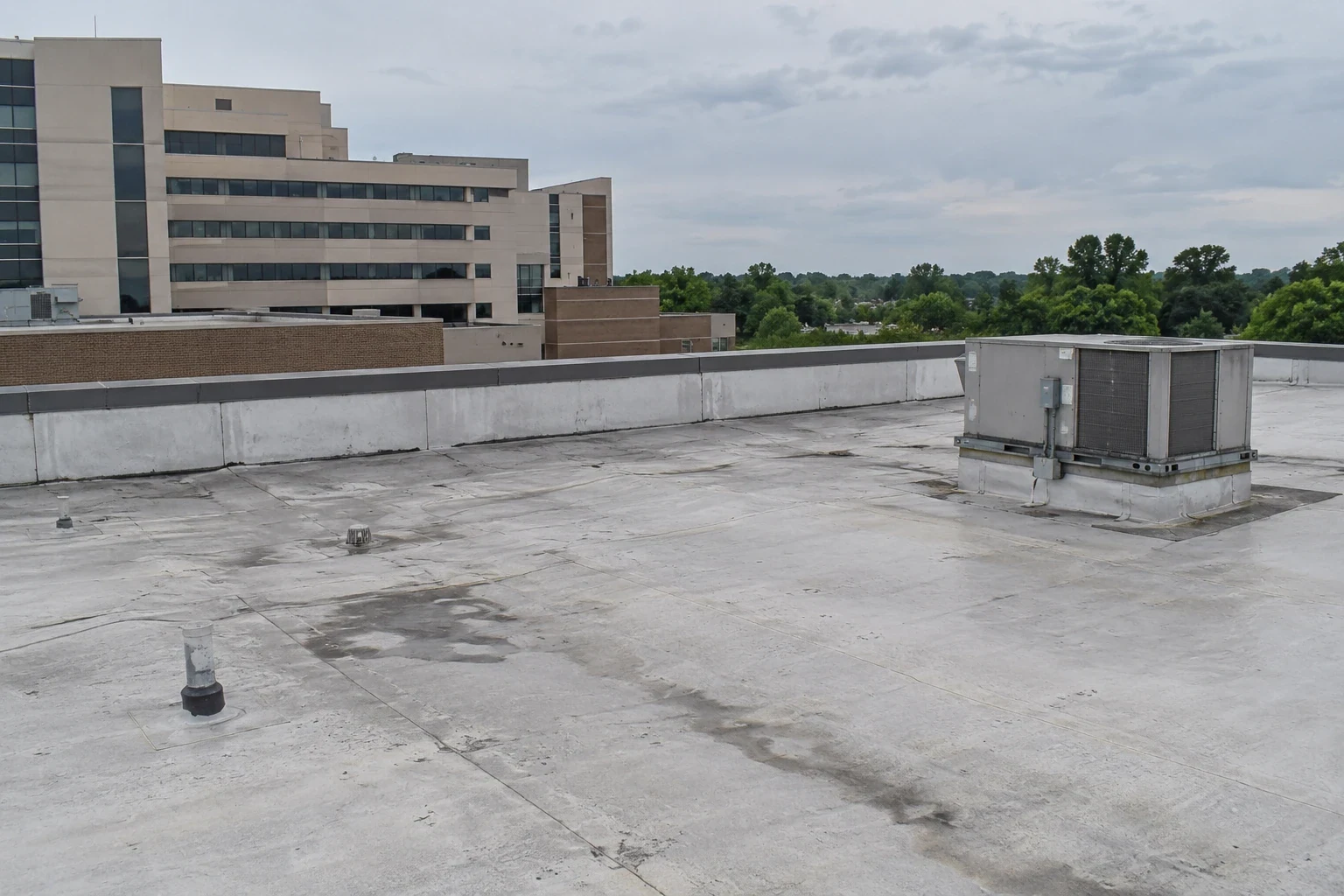
Sarnafil G 410-72 is a fiberglass-reinforced PVC thermoplastic membrane with heat-weldable seams. Sarnafil G 410-72 gives the owner a defined membrane option to evaluate, while the roof itself determines whether that system is appropriate. In Killeen, TX, we begin with the existing layers, deck, drainage and perimeter, then document chemical exposure, equipment service and foot traffic where present. A PVC roofing assessment includes field seams and every transition that interrupts the membrane. The same site review can identify whether repair, recover or removal is supportable. A product name is useful only when the proposed membrane, attachment and detail method are stated alongside conditions found on the building.
What exposure and assembly conditions guide PVC selection?
Reinforcement and installation approach connect the membrane to the assembly. Fiberglass reinforcement in the referenced G 410-72 product is one documented construction feature; roof design still has to account for substrate, movement and attachment. We map parapets, drains, curbs, wall heights and deck joints, then note where those transitions concentrate movement or water. Adhered or mechanically attached systems require different preparation and fastening plans. Owners can compare Sarnafil PVC options with Carlisle's Sure-Weld system or another compatible membrane family, but a meaningful comparison includes insulation, wind design, flashing material and maintenance access. A product label alone cannot rank systems; our recommendation reflects the building survey and documented assembly requirements.
How does the installation method affect reinforcement?
Hot-air welds join the PVC field and detail membranes. We inspect weld width and continuity at laps, corners and patches, then probe finished seams to find unbonded edges. A damaged seam can often be addressed locally if surrounding membrane is sound and the substrate remains dry. Before repairs, we identify the membrane type and check that the proposed material and method are compatible. At penetrations, a sound repair must carry water away from the opening without leaving a pocket or exposed cut edge. The flashing and curb service addresses transitions around equipment, while a broad field issue may need a separate replacement analysis. An owner receives photos and marked locations so the scope is not reduced to “seal the leak.”
Which welded details need a close field review?
A membrane's chemical exposure deserves attention on buildings with exhausts, kitchens or process equipment. We check where discharge lands, whether oils or cleaners reach the roof and how service access brings foot traffic across the surface. These observations matter when comparing PVC with other single-ply choices, but they do not mean every use requires one particular membrane. Drainage and edge conditions still control a large share of the roof's performance. We inspect gutters, scuppers and interior drains, look for backed-up water paths and mark areas of ponding for correction. Owners may pair an evaluation with roof-drain and scupper repairs when the field membrane remains serviceable but outlets or metal transitions are not directing water reliably.
How should a damaged roof receive a defined repair boundary?
Storm history provides a reason to inspect carefully, not a diagnosis of damage. A Killeen storm in 2003 included large hail and a tornado, but neither establishes how a current membrane performed. That record does not establish what happened to a current roof or whether a particular membrane was affected. After a recent storm, we photograph impact marks, displaced metal, punctures and water entry, then compare them with pre-existing maintenance records when available. The hail-damage roof inspection separates visible impact from aging or prior repairs. Along US 190, Rancier Avenue and the city's major arterials, commercial properties may have different roof designs and exposures. We inspect each assembly rather than transferring a storm conclusion across a corridor.
The product sheet cannot determine whether the current roof is suitable for a recover. That decision depends on what lies below, how the deck is attached and whether the existing membrane remains compatible with the proposed layers. We use moisture readings and selective cuts to confirm the assembly, then record the edge conditions and any wet insulation. The owner can see which areas are verified and where concealed conditions may change quantities. A replacement scope that includes these checks is more useful than a low initial figure that assumes every existing layer can stay in place.
What can hail history tell the inspection, and what can it not?
Perimeter metal and equipment details belong in the same scope as the membrane field. We check cleats, coping, terminations, fastener lines and wall transitions for movement or corrosion. If rooftop units will be replaced, the curb dimensions, lifting path and temporary dry-in should be coordinated before the roofing crew closes the area. Roof access also requires a route for inspection and future maintenance that does not cross fresh seams unnecessarily. The commercial roof replacement plan lists metal, flashings, drains and penetrations as separate work items. This gives facilities staff a way to track which trade owns each interface, where a shutdown might be needed and which details must be reviewed before equipment returns to service. Downtown Killeen is a historic center with commercial buildings and businesses. For a PVC project in that district, we verify each roof’s wall transitions, drains and equipment layout instead of treating age or use as evidence of membrane condition.
A repair record should include enough detail to find the location again. We label roof zones, add photographs, describe the seam or transition, and note whether water was active during the visit. When the building has multiple roof elevations, the record distinguishes each level and the path between it and interior evidence. Maintenance staff can then compare later observations to the same detail instead of starting over from a vague leak description. We also identify any work by mechanical or electrical trades that could disturb the membrane after the roofing scope is complete. That distinction gives ownership a practical way to approve testing and protects the estimate from treating uncertain areas as verified repairs. It also keeps an emergency dry-in separate from the permanent assembly decision.
How should perimeter and equipment work be coordinated?
A useful Sika Sarnafil proposal does not stop at the product label. It gives the owner an inspection record, the observed failure pattern, any test results and the proposed assembly with edge and penetration details. We state whether the scope is a local repair, a recover or a replacement and note what opening work may change the quantity. If a leak needs immediate control, our response runs any time, then we follow with a full inspection and written repair plan. The roof condition report records that work for future comparisons. For buildings near Downtown Killeen, access and business hours can be planned around commercial activity while keeping the scope focused on roof condition, not assumptions about the building's history. For context, we can compare Carlisle SynTec single-ply systems with SOPREMA's layered and membrane families against the same building conditions.
Commercial Roofing Questions
What is distinctive about Sarnafil G 410-72?
The manufacturer identifies it as fiberglass reinforced PVC with heat-weldable seams. We use that product information as one part of a system review that also covers substrate, attachment, edge conditions and roof use.
Can you confirm hail damage from an old storm record?
A historical event does not prove present damage. We inspect the current roof, document visible impacts and compare them with maintenance records or earlier photographs when those records exist.
How do you repair a PVC seam?
We first identify the membrane and check the surrounding surface and substrate. The repair method then addresses the failed weld or detail with compatible material, and we document the finished area for follow-up.
Does a PVC roof remove the need for drainage correction?
No. Membrane selection does not correct a poorly draining field, blocked outlet or low transition. We assess slope and discharge and include drainage changes in the scope when needed.
Which roof conditions should be priced separately?
Membrane field, tear-off, insulation, deck repairs, perimeter metal, flashing, drains and equipment curbs should be identified so the owner can see what drives the estimate and schedule.
Inspect before specifying PVC
Request a commercial roof survey in Killeen. We will document seams, exposure, transitions and drainage, then prepare a repair or replacement scope that identifies the full assembly.