
Roof Claim Records and Scope in Killeen, TX
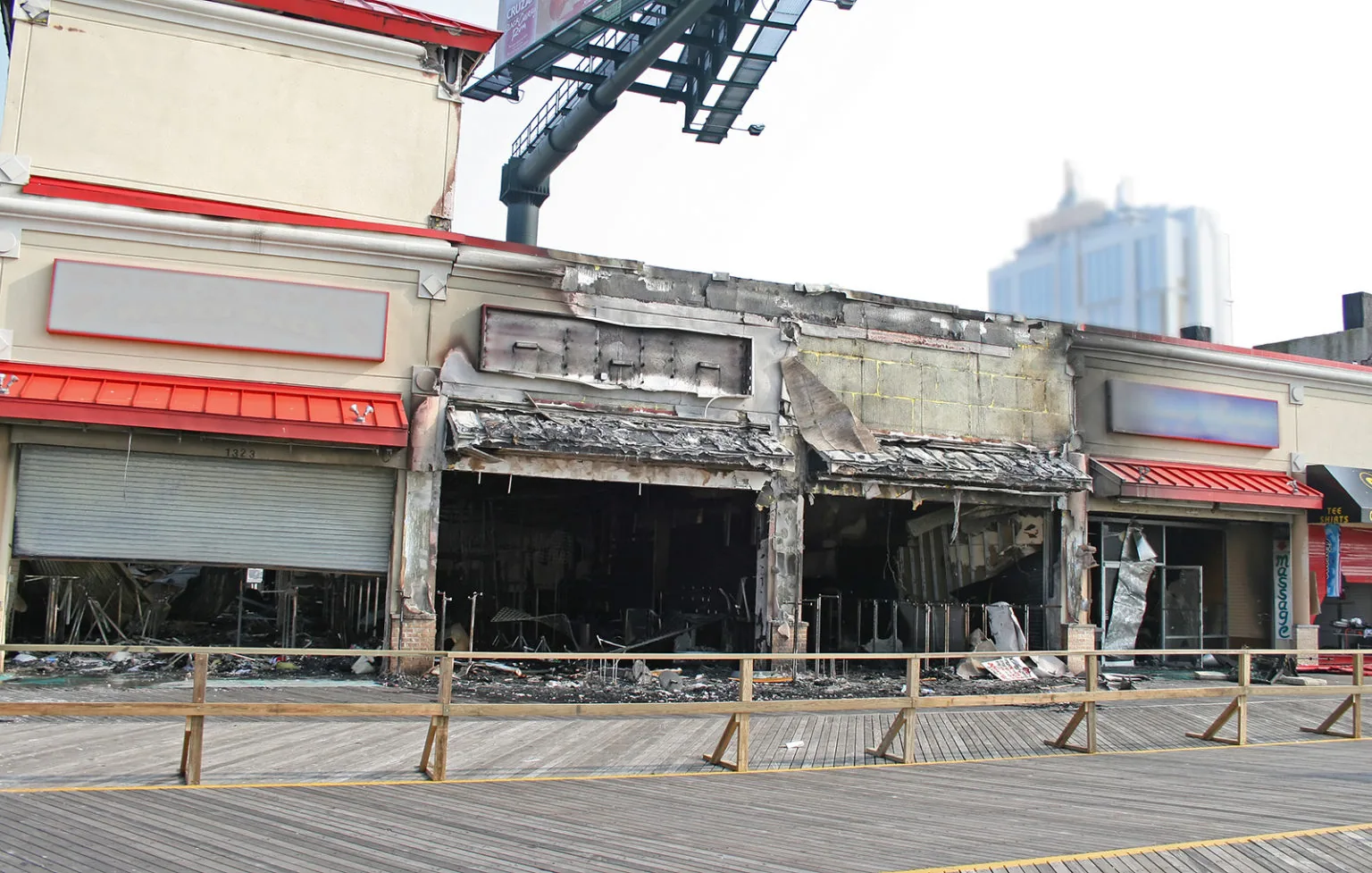
A storm notice starts the investigation; it does not define the repair. We map the reported interior condition to the roof plan, photograph visible damage, and separate storm-related observations from prior wear, old patches, or areas that were not accessible. The owner receives a record that can be reviewed beside contractor estimates and the claim file. It describes the roof evidence and scope limits without promising how a carrier will interpret coverage.
A March 25, 2003 Killeen event included 1.75-inch hail and an F0 tornado, context that makes a dated property record more useful than an event label alone. For a current loss, begin with the reported date, conditions, roof assembly, and safe access. A claim documentation review can organize those facts before the permanent repair boundary is priced.
What should the first roof record establish?
Record the reported event date, time, observed weather, caller, affected room or equipment, and any temporary protection already installed. Preserve original photographs when possible, then make a second set that shows each condition in relation to a roof section, seam, penetration, edge, drain, or rooftop unit. Label the location and view direction. A close-up without a roof map can show a mark but leave the reader unsure which area it documents.
Separate observations from interpretations. A dent, puncture, split seam, lifted edge, or wet insulation may be visible; its cause may need additional evidence. Note pre-existing repairs, corrosion, maintenance issues, and areas that could not be reached. If interior finishes were removed or drying work began, retain the date and the contractor who performed it. That chronology helps the owner compare the current condition with earlier maintenance records without treating an old stain as new roof damage.
How can hail observations be tied to a roof scope?
Inspect the membrane or metal surface, edge details, rooftop equipment, skylights, flashings, and soft-metal components for visible impact or displacement. Record the substrate and assembly where known. A mark on a surface is not automatically a puncture, and an equipment dent does not establish that water entered the roof. When a suspected impact affects a seam or flashing, photograph the detail before temporary work changes it and note whether testing is needed to confirm water entry.
Check a representative area and map the inspected limits. If the roof contains multiple systems or repair histories, give each assembly its own photographs, test results, and repair boundary. That lets an estimate tie removal to the observed detail instead of extending one finding across unrelated sections. A hail-damage roof review can organize that evaluation around the assembly and visible detail rather than the event label alone.
What evidence matters after wind or a tornado report?
Look for displaced coping, edge metal, panels, fasteners, membrane terminations, flashing, and debris impact. Photograph attachment points and adjacent undisturbed areas where accessible. A wind report may also involve water driven through an existing opening or damaged rooftop component. Document the path reported inside, then inspect the corresponding roof section and nearby transitions. If the roof cannot be accessed safely, identify the limit and arrange a later walk rather than guessing from ground-level views.
A multi-property claim spanning Killeen and Harker Heights needs a separate event date, roof map, and inspection record for each building. Keep the reported path and observed condition tied to that property file instead of carrying one location’s notes into another. A tornado damage assessment should separate emergency stabilization, observed impact, and permanent repair so each decision has its own documentation.
When should temporary protection be separated from repair?
If water is entering, first identify the safest practical response to protect contents and limit additional exposure. Record the location, material, installation date, and limits of a temporary cover or seal. Keep it distinct from a permanent repair in the proposal and invoice. Temporary protection may need inspection after weather changes, and it can hide the detail beneath it. Photograph before and after placement and set a follow-up visit when the permanent scope is not ready.
Killeen's long-term normals include 18.3 days per year with a high of at least 100°F. That exposure informs scheduling; the claim file still needs property-specific roof observations. Heat can change the safe work window and material application conditions, so the crew follows current product requirements and actual site conditions. For an emergency response, timing, access, and the available dry-in method matter more than a general climate statistic. A temporary emergency repair can stabilize an opening while the owner arranges a documented permanent scope.
How should estimates describe damage and repair?
Ask each estimate to identify the affected roof sections, measured quantities, proposed removal, replacement materials, flashing, edge work, drainage, temporary protection, testing, and exclusions. Separate confirmed damage from concealed-condition allowances. If an estimate includes general maintenance or pre-existing deterioration, show it as a distinct item rather than blending it into a storm repair. The owner can then compare the documented work without treating every line as part of the same cause.
Moisture mapping or test openings may help determine the extent of wet insulation, but state the method, locations, and limitations. A moisture reading alone does not set final removal quantities. Killeen averages 34.75 inches of annual precipitation, but only a roof inspection can diagnose an individual building's water path. Drainage condition, prior maintenance, and the observed water path remain building-specific. A photo-supported condition report can preserve that distinction for later review.
What should remain in the property and claim files?
Keep the notice date, event details, photographs, roof plan, inspection notes, repair history, temporary protection record, estimates, invoices, test results, change approvals, and closeout photos together. Identify who provided each item and when. If the roof includes multiple sections, retain a location key that connects every photo and quantity to the plan. Record any access restriction or inspection condition that changed between visits.
Killeen’s historic downtown core contains commercial buildings and businesses, and its southern boundary reaches Veterans Memorial Boulevard/Business 190. A record for a roof in the Downtown Killeen commercial district should still identify the building, roof section, and access point. A multi-property owner may use property management records to route approvals and hospitality operations records to document guest-area restrictions, but each site needs its own event timeline and evidence. Keep the plan and access directions with the claim file for properties along the Veterans Memorial Boulevard/Business 190 corridor, not just the district name.
Commercial Roofing Questions
Does a storm record prove that a roof was damaged?
No. A regional event helps frame the inspection, but current damage needs property-specific observations and a documented event timeline. We distinguish visible findings from assumptions that require further testing.
Can the inspection say whether a carrier will cover the work?
We document roof conditions, measured work, and repair options. Coverage decisions belong to the policy and claim process; our scope does not promise approval or a particular outcome.
What is useful before temporary covering is installed?
Photograph the opening and nearby details, note the time and location, and record what the temporary material covers. The owner should keep the protection receipt and plan a follow-up inspection.
How do you separate storm repair from deferred maintenance?
We map each observation and describe its visible condition, repair history, and relation to the reported event. Items that cannot be attributed from inspection alone stay identified as unresolved rather than folded into a single quantity.
What should happen when hidden moisture is suspected?
Agree on test locations and restoration responsibility before opening the assembly. Record the method and results, then update the removal boundary only after the evidence supports the added work.
Keep event facts and roof findings in the same file
Provide the reported date, roof plan, interior locations, prior repairs, access limits, and photographs. We can inspect accessible sections, document temporary measures, and prepare a clearly bounded repair scope for review.