
Commercial Roofing for Retail and Restaurant Chains in Killeen, TX
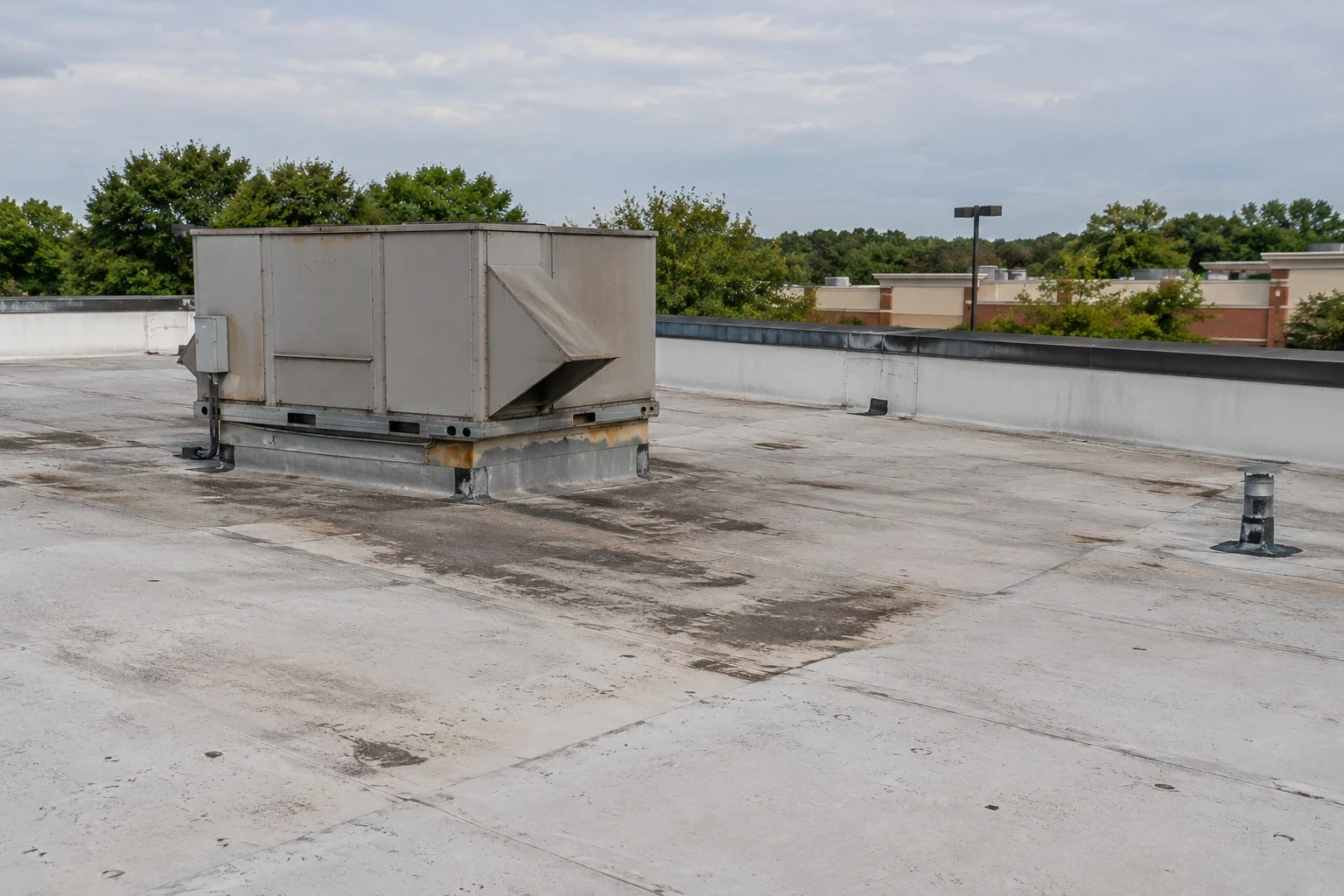
For a retail or restaurant operator, the roof affects customer areas, kitchen equipment, stockrooms, refrigeration, signage and the service path that keeps a location open. A useful program separates the reported symptom from the roof condition that caused it. We map each section, inspect drains and penetrations, and record access or operating limits before proposing a repair or capital project. The location manager can then review timing, customer circulation and any area that must remain available.
Killeen reported 278 certificates of occupancy from April 2025 through March 2026 across restaurant, retail, childcare and education, medical office, fitness and other commercial uses. That is citywide activity, not proof about a specific chain or property. A commercial roof inspection can establish the roof evidence while the operator supplies hours, access rules and contact procedures.
How should a chain triage a leak report?
Capture when the water appeared, where it was observed, what equipment or merchandise is nearby, whether the condition recurs, and what temporary action has already occurred. Match the interior location to a roof plan and inspect the closest seams, penetrations, perimeter details and drainage path. Water can travel along a deck or framing, so the wet ceiling tile may not be directly below the opening. Avoid assigning a cause until inspection or testing supports it.
At a restaurant, protect food preparation and electrical areas according to the operator's procedures while a qualified team identifies the building response. At retail, isolate wet merchandise and maintain a safe customer route. The property owner and tenant should agree who approves access and permanent repair. Use dated photos and a work log so repeated reports can be distinguished from new events. Emergency covering may reduce immediate exposure but should have a follow-up date and defined permanent scope.
What should a repair plan say about store operations?
Write down the work period, access route, staging location, lift needs, noise-producing tasks, temporary barriers and cleanup expectations. For a customer-facing location, coordinate material delivery away from peak traffic where possible and keep entrances, fire routes and accessible paths clear. A restaurant may need a separate schedule for kitchen exhaust or rooftop unit access. The owner or operator decides whether a room, service area or the whole location must close.
Plan roof openings so the crew can restore weather protection before leaving. If an unexpected deck or insulation condition appears, stop at the agreed boundary, protect the area and obtain written authorization for additional work. Give the manager one contact for schedule changes and a concise update on what remains open. This avoids conflicting instructions from store staff, property management and outside vendors.
Why do drains and roof edges matter to repeat repairs?
Water movement affects membrane seams, drains, scuppers, gutters, parapets and transitions at canopies. Inspect the complete path from roof low point to discharge rather than repeatedly clearing a visible strainer without finding why water remains. Check whether debris, damaged screens, displaced leaders or a change in elevation is involved. A roof with ponding requires evaluation of the assembly and drainage design; a maintenance visit cannot confirm that every low area can be corrected without broader work.
Edge metal, coping and counterflashing should be checked for secure attachment and continuity. A loose termination can admit water or create a safety concern even when the field membrane looks intact. At a retail center, define which party handles shared drainage, tenant-side protection and access to adjacent roof sections. Keep the observation tied to the building plan so another contractor does not assume a tenant report identifies the exact defect.
How can a chain compare repair, recover and replacement?
Use the same section boundaries and assumptions in each option. A targeted repair may suit a limited detail failure when adjacent membrane and insulation test sound. Recovery may be considered only after moisture, attachment, drainage, edge height and added load are evaluated. Replacement may be the clearer choice when deterioration crosses multiple sections or the existing assembly cannot support a dependable repair. Tests or openings may be needed before quantities and schedule are firm.
For Killeen permits, the effective list names the locally amended 2024 International Building Code beginning January 1, 2026. Project professionals confirm how current requirements apply. Compare the installed assembly, insulation, flashing, drain work, signage or curb interfaces, temporary protection and warranty conditions, not only price per square. A chain can use a common bid format while allowing building-specific scope where roof systems or operations differ.
What local weather facts are useful for roof planning?
Killeen averages 18.3 days a year at or above 100°F and 34.75 inches of annual rain, so retail work plans should cover heat and drainage together. These long-term values help frame inspection and installation planning, but they do not predict a storm or project-day roof temperature. Follow the actual forecast, safe-work limits and product instructions. Inspect after significant weather for displaced edge components, punctures, drainage obstruction and new interior reports, documenting findings by section.
Retail and restaurant sites often contain equipment, signs and service penetrations that complicate access. A roof plan should identify what is present and who can authorize shutdown or disconnection. Do not assume that a visible rooftop unit can be moved by the roofing crew. Coordinate with the responsible mechanical or electrical contractor and verify the area is ready before work begins. The US 190 corridor page describes a broad roadway corridor; each delivery and customer route still requires confirmation with the property contact.
What information helps manage many locations?
Maintain one record per property with the roof map, system, reported leaks, inspection date, repair history, warranty contact, access instructions and next action. A chain-level summary can rank urgency and budget exposure, but it should not merge different assemblies into one assumed condition. Track temporary work to closure, identify repeat calls, and note whether a follow-up confirmed the repair. Store staff need a simple reporting path that captures location and timing without asking them to diagnose the roof.
For each capital project, preserve the accepted scope, change approvals, photos, testing, completion record and maintenance instructions. If a property is leased, define landlord and tenant responsibilities before ordering work. The hospitality roof planning perspective may help compare hospitality operations, while portfolio planning offers a portfolio-planning lens. Neither substitutes for verifying ownership, roof access, site conditions or authority at a particular address.
A location in Downtown Killeen or near US 190 still needs property-specific access confirmation. A documented leak repair may be coordinated with drain and scupper maintenance and a shopping-center roof scope. Compare repeatable fields across locations when the same owner manages them.
Commercial Roofing Questions
Can a roof repair happen while a store is open?
Sometimes. The operator or owner must approve access, barriers, customer routes, noise, and any affected room. The contractor should identify the specific task and its controls before work starts.
What should store staff include in a leak report?
Record the time, interior location, weather if known, affected merchandise or equipment, photos, and any temporary action. A roofing inspection determines the source and repair boundary.
Who is responsible for roof work at a leased location?
That depends on the lease and property arrangement. Confirm the responsible party, approval authority, access rights, and cost responsibility before scheduling permanent work.
Does clearing a drain solve ponding?
It may remove a blockage, but persistent ponding can involve slope, outlet, or concealed assembly conditions. Inspect and document the full drainage path before selecting a remedy.
How can a chain keep roof work consistent across locations?
Use a common inspection and closeout format, then record each building’s assembly, condition, access, lease responsibility, and operating restrictions separately.
Make roof calls easier to route across locations
Provide the property contact, roof access rules, leak photos and timing, store hours, lease responsibility, and any customer-area constraints. We can document findings and scope repair or capital options.