
Commercial Roofing for Public Agencies in Killeen, TX
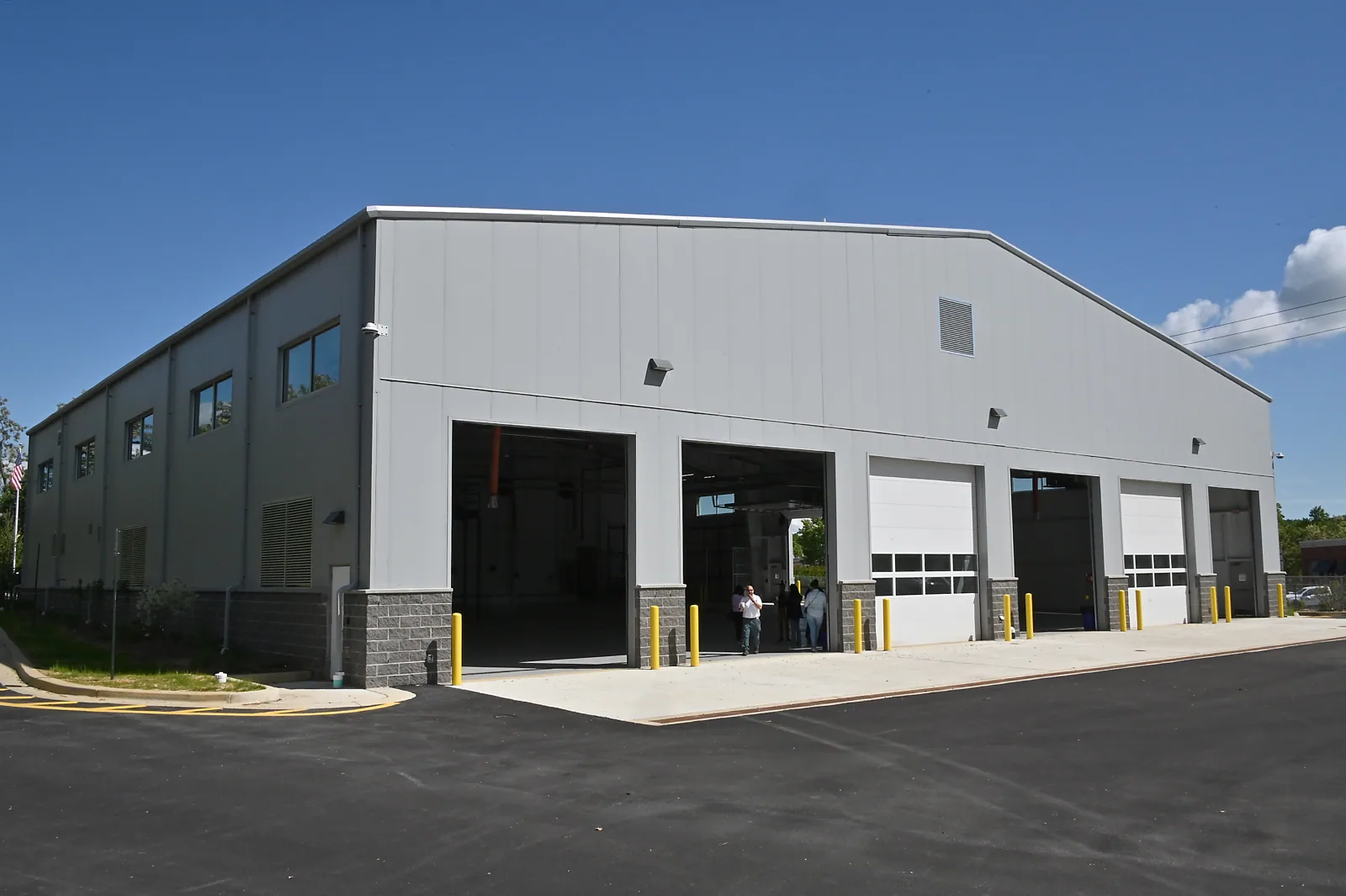
Public roof work is easier to govern when the owner can trace each recommendation to a location, observation and approval. We prepare a section map, record what was accessible, and distinguish a visible defect from a concealed condition that needs testing. The agency can then review maintenance, repair and capital alternatives with consistent assumptions. Work planning also needs to respect public access, security protocols, procurement milestones and the authority assigned to accept a change.
Killeen's comprehensive planning and construction-code information provide context for projects within the city, but they do not establish the condition or ownership of a particular building. The Killeen-Temple MSA includes Bell, Coryell and Lampasas counties, a useful regional definition rather than a service boundary. A roof asset management record can support a portfolio discussion; the building-level survey remains the basis for scope.
What evidence belongs in an agency roof assessment?
Use a roof plan with labeled sections, approximate areas, assembly notes, dated photographs and a concise description of each finding. Separate immediate water-entry concerns from deferred maintenance and long-range capital needs. Record test openings, moisture readings or adhesion results with the method, location and limitation. Where an area was unsafe or inaccessible, say so plainly. A reader should be able to tell which statements are observations, which are reports from building staff, and which are recommendations.
Set a consistent condition scale only after defining what each level means. A score without supporting notes can create false precision across buildings with different assemblies. Track repair dates and whether the repair was observed afterward. Include an order-of-magnitude range only when assumptions are clear, then identify what survey or design work is needed before a bid. The record should support a decision, not imply that an inspection opened or tested every concealed component.
How can procurement compare proposals fairly?
Give each bidder the same roof documents, access information, schedule constraints, requested alternates and response format. A well-bounded base bid states removal limits, substrate assumptions, insulation, cover board, membrane, attachment, flashing, edge treatment, drainage work, temporary dry-in and closeout. Ask for a separate price for concealed-condition work or testing rather than burying uncertain quantities in a single total.
Review exclusions and substitutions beside the scope. Clarify who carries permits, design, testing, equipment movement, security, traffic control, disposal and warranty registration. If public procurement rules require a specific process, the agency's procurement staff controls it; a contractor should not infer or promise an award path. Document questions and addenda so all proposals rely on the same information. When a proposed value option changes assembly or protection, state the tradeoff and obtain the required review before acceptance.
How should public access and security shape the work plan?
Before mobilization, identify check-in procedures, work hours, escort requirements, restricted rooms, public entrances, delivery routes and emergency contacts. Mark roof access and material staging so visitors and staff do not cross an active work area. If a building must remain open, agree on barriers, overhead protection, noise limits, temporary signs and who authorizes room closure or reopening. The agency owns the operational decision; the contractor is responsible for describing the activity and its controls.
End each shift with penetrations, edges and openings protected against weather and unauthorized access. Keep a daily log of completed sections, materials installed, conditions that changed and approvals received. If a work zone moves, update the access plan instead of relying on a verbal handoff. These records support both project administration and later investigation should a leak be reported during or after the job.
What code and climate information should enter the scope?
For Killeen permits subject to the current rules, the 2024 IBC carries local amendments effective January 1, 2026; verify scope with the responsible design professional. The city also lists amended 2024 International Energy Code and 2023 National Electrical Code provisions. The design professional and authority having jurisdiction determine how requirements apply to the actual project. For procurement, identify the expected permit and design responsibility, but avoid treating a general summary as a project-specific ruling.
Stan Schlueter Loop and US 190 are useful area routes, but neither establishes roof access, gate requirements, or delivery space at a specific address. Killeen averages 18.3 days a year with highs of 100°F or more, which can affect safe work windows on exposed roofs. Killeen averages 34.75 inches of annual precipitation, so temporary drainage should be addressed whenever roof sections are opened. These are climate context, not predictions about a specific season. Project documents should still address current forecasts, manufacturer application limits, drainage design and temporary protection. The agency should retain the basis for any design assumptions and the record of required inspections.
How should an agency rank competing roof needs?
Rank projects using the consequence and confidence of each finding. Active leaks affecting operations, safety-sensitive rooms or valuable contents may require a near-term response, while a stable section may be monitored pending a more complete survey. Consider the extent of confirmed moisture, failure pattern, repairability, remaining useful life estimate, access constraints and the time needed for design or procurement. Label any estimate as preliminary if the assembly has not been opened.
Present work in decision-ready packages: immediate stabilization, discrete repair, and capital replacement or recovery where justified. Each package should identify what it resolves and what risk remains. If funds are phased, specify a durable boundary and avoid a temporary measure that obscures deterioration. A roof asset register can help compare needs, but each project still requires a site-specific scope, code review and owner approval.
What should closeout include for a public owner?
Assemble approved submittals, product data, permits and inspection records, daily reports, testing, photographs, change approvals, final roof drawings, warranty documents and maintenance guidance. Identify the installed assembly and exact sections covered. List outstanding items and exclusions so that the next facilities manager does not assume they were completed. Confirm the person who receives service notices and the response path for a suspected warranty issue.
A concise handoff can show drain locations, safe access points, inspection intervals required by the system, and how to report a new condition. Explain which cleaning methods or repairs may affect warranty coverage. Keep budget estimates, procurement documents and technical records linked by a stable project identifier. This makes future repair decisions easier to trace and supports transparent administration without overstating what the roof survey established.
For public portfolios, a Killeen project and work along the US 190 corridor need separate access approvals. Owners can keep condition files current, use commercial roof inspection for mapped evidence, and define urgent stabilization through emergency roof repair. Coordinate procurement across school districts or multi-site operators only when those property groups are actually in scope. A building-specific government roof scope should still record the agency's own approvals.
Commercial Roofing Questions
Does an inspection satisfy a public agency’s design obligations?
No. A field assessment documents visible conditions and may recommend tests or design work. The agency and its design professionals determine what formal engineering, permit, and code review the project requires.
Can a roof survey support a capital budget request?
It can provide mapped observations, photos, repair history, and stated assumptions. Budget figures remain preliminary where concealed conditions or final design are unresolved.
How should agencies handle uncertain deck quantities?
Identify the survey limitation, define unit prices or an allowance, and establish who can authorize work after opening. Record the condition and approval before proceeding beyond the bid scope.
Who decides whether a public building stays open during roofing?
The owner controls occupancy and security. The roofing plan describes hazards, access, barriers and schedule so authorized agency staff can make that decision.
What makes bids easier to audit later?
Use common scope language, a documented question process, explicit alternates and exclusions, and a record of approvals and substitutions. Preserve the accepted proposal with closeout evidence.
Prepare a documented, comparable roof scope
Share available roof drawings, maintenance history, access protocol, known leaks, procurement milestones, and the required response format. We can document findings and clarify repair or capital options for agency review.