
Military Installation Roofing in Killeen, TX
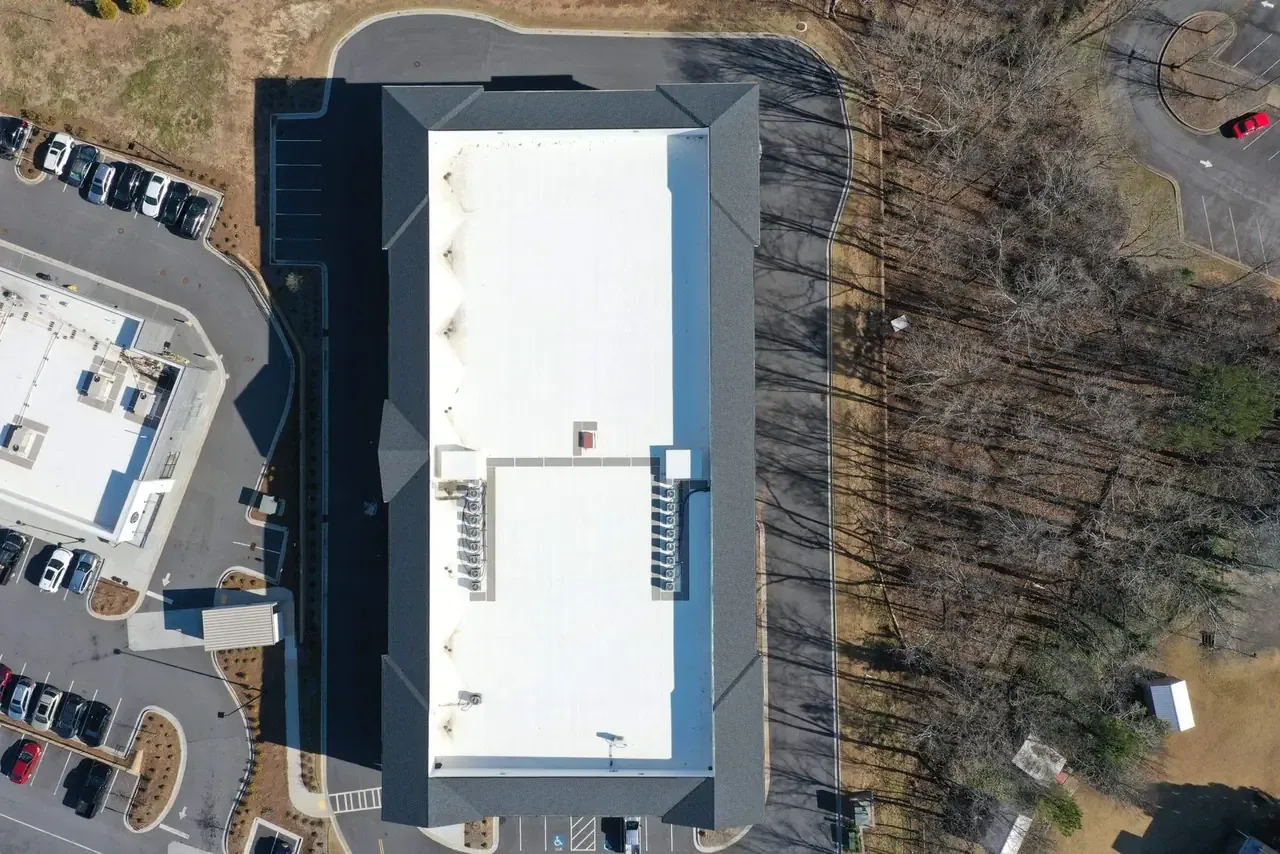
A military roof scope starts with the contract documents, the facility’s operating limits, and a verified route to the work area. The roofing plan must show what can be inspected, how the crew will enter, who escorts the work, and when a section can be opened and closed. Killeen is adjacent to Fort Cavazos, whose cantonments and airfields serve active Army missions. That regional context does not establish access, a contract relationship, or approval for any contractor. Each project requires its own authorization and coordination.
What Must Be Confirmed Before Installation Access?
The owner or contracting officer identifies the applicable access procedure, badging, escort rules, vehicle restrictions, tools and materials review, and permitted work hours. We do not assume an installation entrance, sponsor, or escort will be available. The site contact and contract documents must settle those requirements before mobilization. The work plan lists crew names and equipment information through the approved process and provides a clear contact for changes.
Fort Cavazos lies in Bell and Coryell counties beside Killeen. Its Main, West, and North cantonments and two instrumented airfields represent distinct operating areas, not interchangeable job sites. A roofing team cannot infer access or mission schedules from the public location. We identify the assigned roof section only after the authorized representative provides site instructions. A Killeen service-area review provides city context; installation access remains subject to the project’s rules.
How Do the Contract Documents Define the Roof?
Before pricing, we review the drawings, specifications, roof-system requirements, submittal list, inspection points, closeout records, and approved manufacturers if the contract names them. When the documents invoke Unified Facilities Criteria for roofing, those criteria and the project specification control the design and installation requirements. We do not substitute a commercial detail or a manufacturer standard for a stated federal requirement. Questions about conflicts should go through the contracting team before field work.
The proposed scope identifies substrate assumptions, insulation, attachment, membrane, edge securement, flashings, penetrations, and drainage. It also states which party verifies deck condition, structural support, and concealed work. Fort Cavazos has a Barracks zone within its transit service area. That describes an area on the installation, not a particular roof assembly or access authorization. A barracks roof still needs project drawings and roof-specific verification; a zone name does not define the actual assembly. Army installation roof planning addresses broader property considerations.
How Can Work Respect the Operating Schedule?
The mission calendar may limit noise, lift operations, deliveries, shutdowns, or roof access. The authorized representative defines the work window and coordination points; the contractor builds the sequence around those instructions. We divide the roof into areas that can be protected and closed at approved hold points, then identify what inspection is required before covering. An unexpected condition stops at the approved boundary while the owner determines the next step.
Fort Cavazos supports training, mobilization, deployment, and sustainment, with maneuver and live-fire training areas. Those operational functions make owner authorization and site-specific access essential before any roofing scope is considered. Those mission functions are why schedule assumptions should never be made from a general calendar or contractor preference. The installation contact governs the work window. In Killeen, the Texas Army National Guard’s Killeen Readiness Center is a separate facility, documented at 23,734 square feet and built in 1983. That local example is not evidence of our work there; it underscores why each facility needs its own record.
What Can a Roof Walk Verify Before the Bid?
Where access is authorized, the walk records roof sections, assembly, visible condition, edge details, drains, equipment, prior patches, and areas that could not be reached. Photographs should match a plan or location reference. We separate an observed leak path from a suspected cause and identify where a core, deck review, or destructive opening is needed. If a bid visit is restricted to a specific route or time, the limitation stays in the report rather than disappearing from the quantity assumptions.
A commercial roof inspection can organize those findings, while due-diligence survey methods can help assess records and unknowns before scope approval. For an active leak, emergency stabilization is separate from permanent replacement. The emergency repair scope should record temporary protection and follow-up work without treating a short-term measure as a completed roof system.
Which Submittals and Inspections Protect the Scope?
The submittal schedule may include product data, shop drawings, material samples, safety plans, quality-control records, and mockups. The contract tells the team what applies. We map each required review to a point in the installation sequence so an edge, penetration, or attachment detail is not covered before the responsible inspector can see it. If the specified system includes a particular membrane or metal assembly, the proposal names that system and the compatible components.
Daily reports can record crew presence, weather conditions, work area, material deliveries, field changes, safety coordination, and inspections completed. The record should also note denied access or a mission-driven pause without turning it into an assumption about the installation. A TPO assembly review or standing-seam system review can explain material-specific roof considerations when those systems appear in the contract documents. Neither system overview replaces project design or submittal review.
How Should a Concealed Condition Be Approved?
If tear-off exposes wet insulation, corroded metal, or a damaged deck, the crew secures the area and documents the location, quantity, and photograph before proceeding beyond the contract boundary. The contracting officer or authorized representative directs the change. The price or schedule impact should be supported by measured conditions and the contract’s change process. A field conversation alone does not revise the approved scope.
Killeen provides regional orientation, but controlled work routes and receiving instructions come from installation personnel. Keep city travel, material delivery, and gate directions separate in the work plan. For roof records, a condition report can preserve the observed condition and approval history.
What Should Be Included at Turnover?
Closeout records should match the contract: accepted submittals, approved changes, inspection results, material and system details, photographs, warranty documents, maintenance requirements, and unresolved items. We identify the roof sections completed and any area excluded or inaccessible. If another trade owns equipment, electrical, or structural work, the turnover names that boundary. The owner receives a practical record that can support future inspection without exposing controlled access information in public materials.
Fort Cavazos is a regional installation with multiple cantonments and mission functions, while the Killeen Readiness Center is a distinct Guard facility within the city. Each asset has its own roof register and authorization path. Send the applicable drawings, access instructions through the authorized channel, contract requirements, and proposed schedule for a scope review. We can then determine whether a site visit is feasible and identify the roofing questions that remain open.
Commercial Roofing Questions
Does a public service description mean the company has installation access or a federal contract?
No. A public service description does not establish a contract, clearance, installation sponsor, or authorization. The project owner and contract documents determine who may enter and what work may proceed. We confirm those requirements before scheduling any site activity.
Who sets escort and badging requirements?
The installation’s authorized personnel and contract instructions set the access process. The contractor supplies the requested crew and vehicle details through approved channels and follows the assigned escort and work-area rules. We do not assume an escort or access window is available.
What controls when UFC criteria are part of a roofing project?
The invoked criteria, contract specifications, approved drawings, and formal interpretations govern. We review the stated roof system and submittal requirements and raise conflicts before installation. A general commercial detail cannot replace a project requirement that the contract calls out.
How are mission schedule changes handled during roofing work?
The authorized representative determines whether work can continue, pause, or move to another approved section. We record the affected location and protect the roof at the agreed boundary. The contractor does not infer mission status or change access based on an informal schedule assumption.
What happens when tear-off reveals a condition outside the bid scope?
The crew documents the exposed area, secures it, and submits the finding through the contract’s change process. Work beyond the approved boundary waits for direction from the contracting officer or authorized representative. Measurements and photographs support the decision and any schedule adjustment.
Review the contract and roof boundary before mobilization
Share the project specification, roof plans, authorized access process, and proposed work window through the appropriate channel. We can identify roofing scope questions and required coordination before the bid or site visit.